
Probiotic Foods: impact on health & productivity
Goal: Understand how live fermented foods sharpen focus, bolster immune function, and drive workplace output.
Mechanism: The Gut-Brain Axis (GBA) — the bi-directional communication highway linking your gastrointestinal tract directly to the central nervous system.
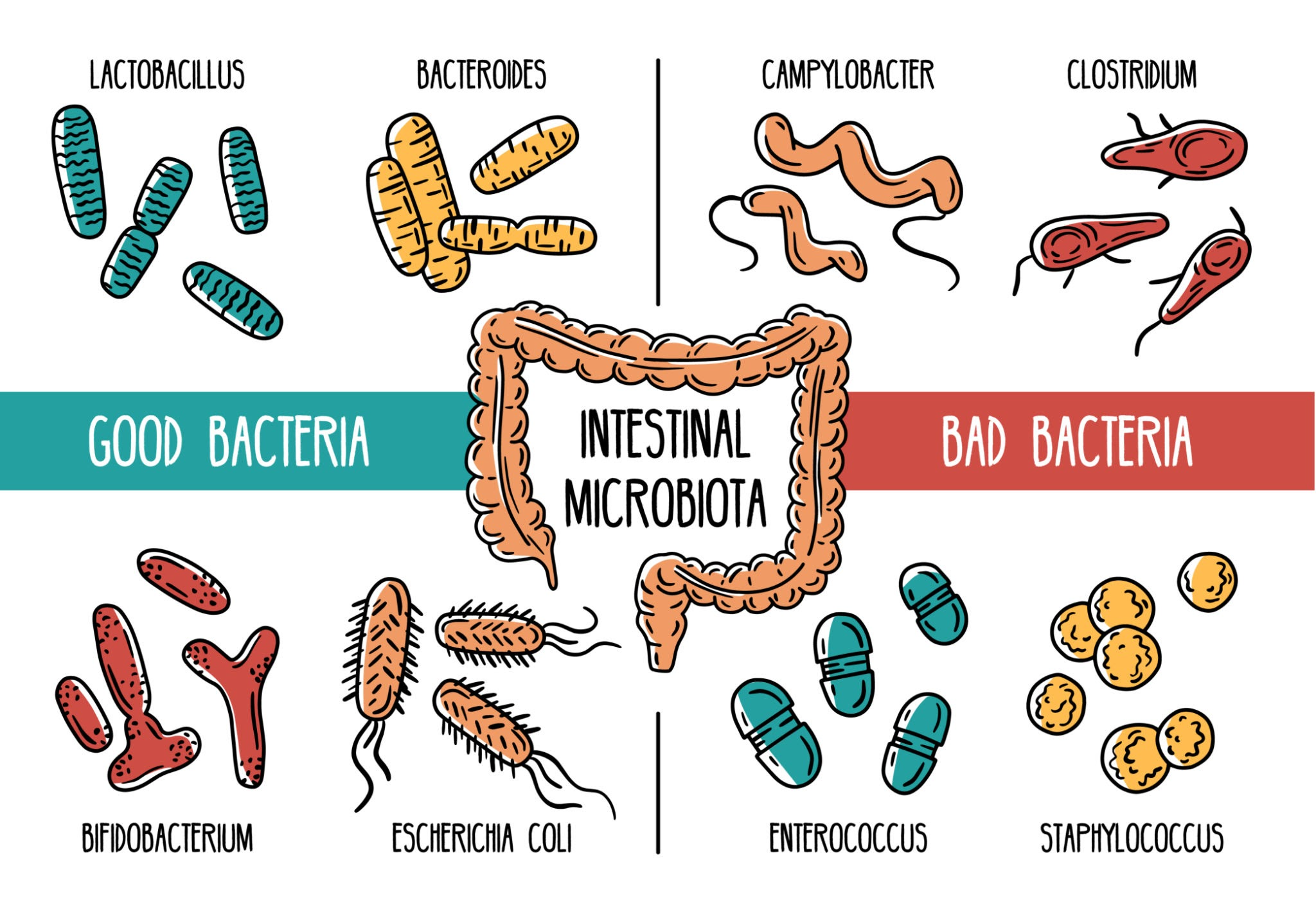
The Gut-Brain Axis: How intestinal microbes send direct biochemical signals to influence brain function and mood.
What Is the Gut-Brain Axis?
The gut isn't just a digestive tube; it acts as your body’s second control center. Housing over 100 million nerve cells, the enteric nervous system (ENS) communicates constantly with the brain via the vagus nerve.
When you ingest live probiotic cultures — found naturally in traditional fermented foods — these beneficial microorganisms produce short-chain fatty acids (SCFAs), such as butyrate and acetate. These compounds strengthen the gut lining, lower systemic inflammation, and regulate key neurotransmitters like serotonin and gamma-aminobutyric acid (GABA), which govern mood, anxiety, and focus.
Key Benefits for Office Productivity
1. Sharper Cognitive Function and Reduced Brain Fog
Systemic inflammation triggered by poor gut health compromises the blood-brain barrier, resulting in sluggish processing speeds and middle-of-the-day mental fatigue. Introducing targeted live cultures actively buffers against this inflammatory stress.
Data Point: Clinical trials evaluating probiotic strain performance showed significant cognitive enhancements. A study published in Brain, Behavior, and Immunity demonstrated that targeted probiotic administration significantly reduced cognitive reactivity to sad mood (p=0.034) and decreased rumination (p=0.006), preventing mental burnout under pressure. Furthermore, systematic reviews in the European Journal of Clinical Nutrition confirmed that daily probiotic intake improves overall cognitive function and processing speed, with interventions lasting up to 12 weeks producing an effect size of SMD=0.61(p<0.001).
2. Lower Sickness Absenteeism
Roughly 70% of your immune system resides in the gut-associated lymphoid tissue (GALT). A diverse microbiome prevents opportunistic pathogens from establishing themselves, reducing workplace sick leave and presenteeism.
Expert Insight: Professor Ted Dinan and Professor John F. Cryan of University College Cork — pioneers in psychobiotics — have demonstrated how gut microbes modulate stress responses and immunity. Their work highlights that balanced gut flora lowers circulating cortisol levels, directly mitigating work-induced stress and immune exhaustion.
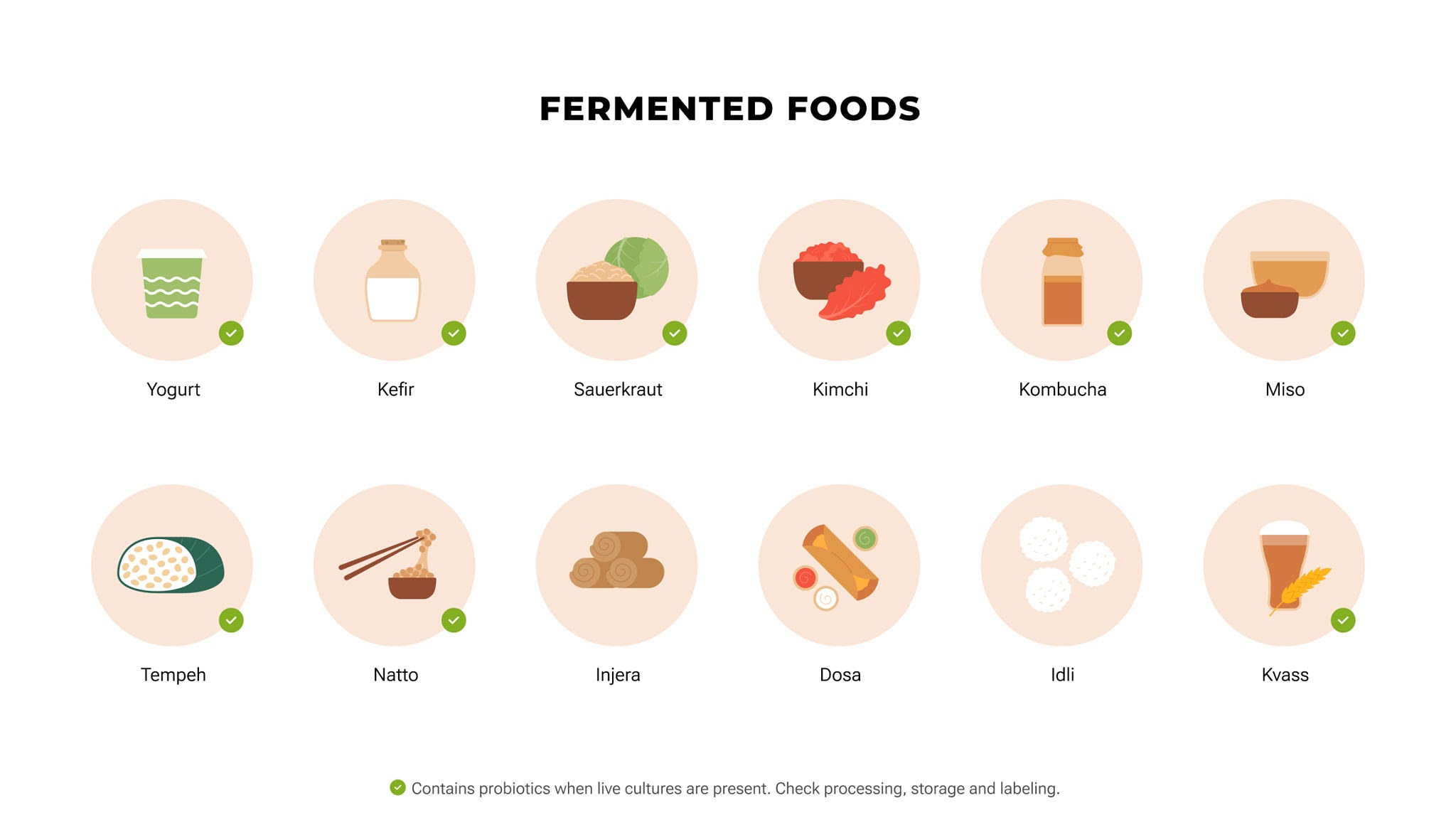
Probiotic Workplace Staples: Simple, nutrient-dense fermented foods for office nutrition.
Cited Scientific Literature
Cognitive Function & Mood Reactivity Study:
GABA-producing lactobacilli boost cognitive reactivity to negative mood: A human Double-Blind Placebo-Controlled Cross-Over study.
Published in Brain, Behavior, and Immunity (2024).
Read Study on PubMed (DOI: 10.1016/j.bbi.2024.08.029)
PubMed
Lifespan Cognition & Processing Speed Meta-Analysis:
Effects of probiotics on cognitive function across the human lifespan: a meta-analysis.
Published in European Journal of Clinical Nutrition (2025/2026).
Read Study on PubMed (DOI: 10.1038/s41430-025-01660-8)
PubMed
Cognitive Impairment & Probiotic Efficacy Meta-Analysis:
Efficacy of probiotics in patients with cognitive impairment.
Published in PLOS ONE (2025).