
Post lunch walk
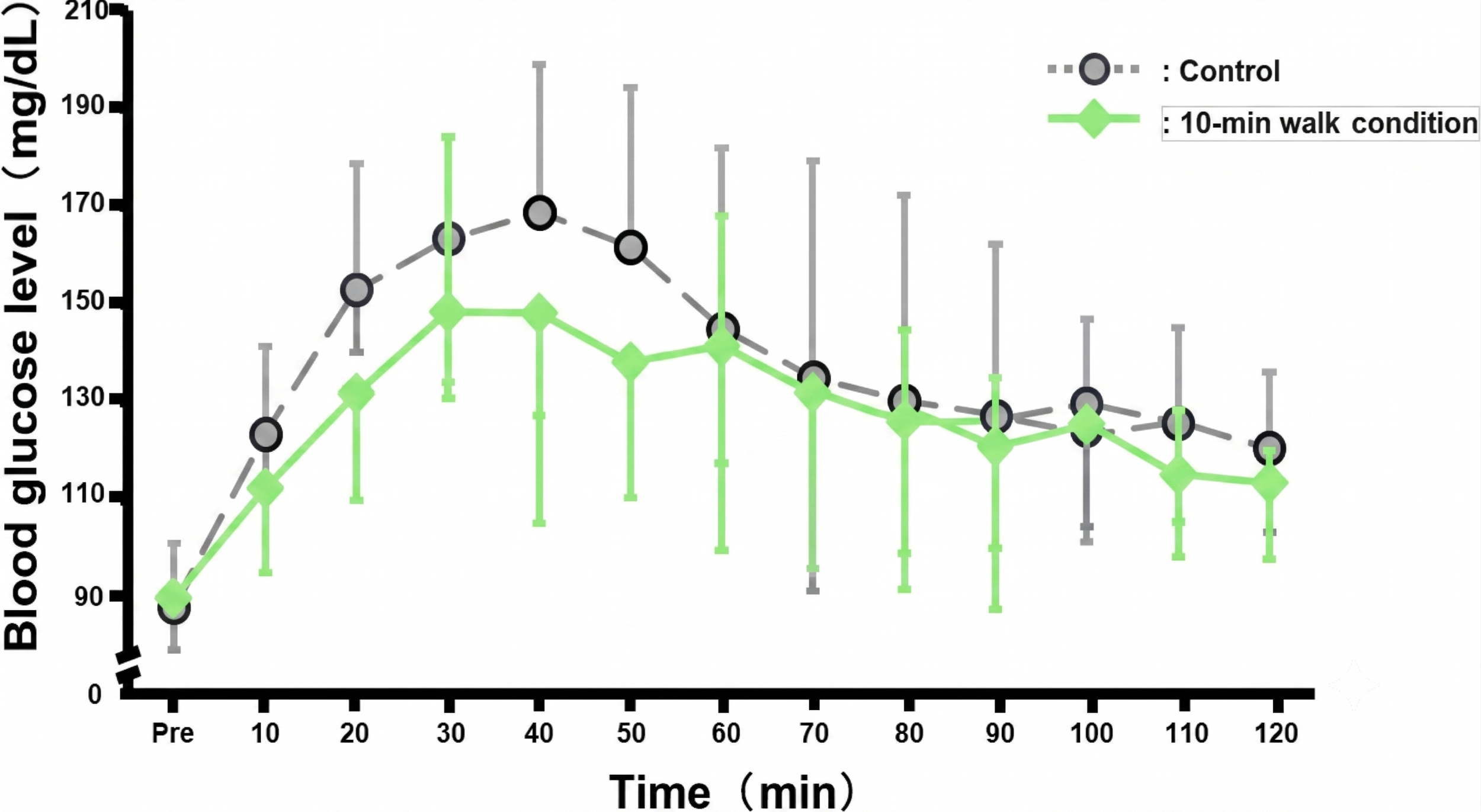
Chart taken from Kaito Hashimoto et al study https://pmc.ncbi.nlm.nih.gov/articles/PMC12216464/
Why Sitting After Eating Sabotages Work Performance
When you consume a meal during the workday—whether it is a nutrient-dense salad or a heavy bowl of pasta—your body breaks down carbohydrates into glucose (blood sugar). Glucose enters your bloodstream to act as high-octane fuel for your brain and muscles.
Under normal desk-bound conditions, you finish eating, immediately sit back down in your chair, and open your laptop. This creates a physiological bottleneck:
Glucose Flooding: Glucose surges into your bloodstream with nowhere to go because your skeletal muscles are totally inactive.
Insulin Surge: Your pancreas detects this overload and secretes insulin—the chemical key that unlocks your cells so glucose can enter.
Fat Storage Shift: As pediatric endocrinologist Dr. Robert Lustig has demonstrated extensively across his research into metabolic health (author of Fat Chance and Metabolic), elevated blood insulin levels act as a one-way biochemical valve. Insulin forces the liver and fat tissues to store excess energy while actively blocking your brain from reading leptin (the satiety signal). High insulin levels trap fuel in storage, leaving you sluggish, hungry, and prone to the dreaded 2:00 PM energy crash.
The "Non-Insulin" Muscle Hack: Here is the mechanical breakdown: when your large lower-body muscle groups—quadriceps, hamstrings, and glutes—contract during a simple walking movement, they engage GLUT4 transporters to pull glucose directly out of the blood stream without requiring extra insulin.
Movement acts as a natural sponge for sugar. By walking, you bypass hyperinsulinaemia and keep your metabolism flexible.
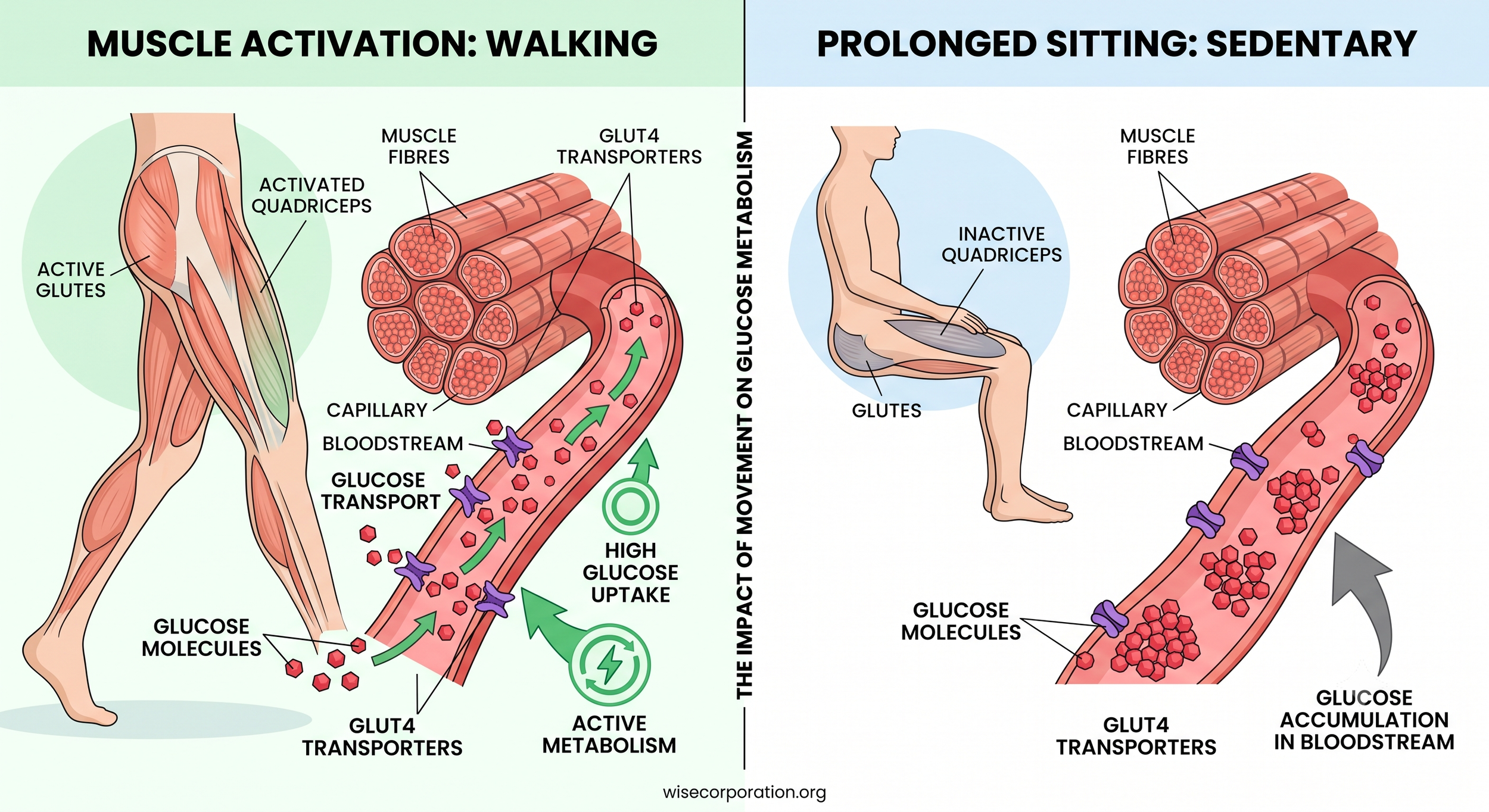
Diagram of muscle contraction drawing glucose from blood stream during post-lunch walk.
What the Data Proves
You do not need an intense session in the gym to achieve a massive biological payoff. Short, low-intensity movement performed at the correct time produces dramatic results.
Blunting the Spike by Up to 17%: A comprehensive 2022 meta-analysis published in Sports Medicine (Buffey et al., 2022) evaluated seven separate studies comparing sitting, standing, and light walking after meals. The researchers discovered that taking a light walk lasting just 2 to 5 minutes immediately after eating significantly blunted blood sugar spikes compared to sitting, reducing post-prandial glucose levels by up to 17% and smoothing out overall insulin curves.
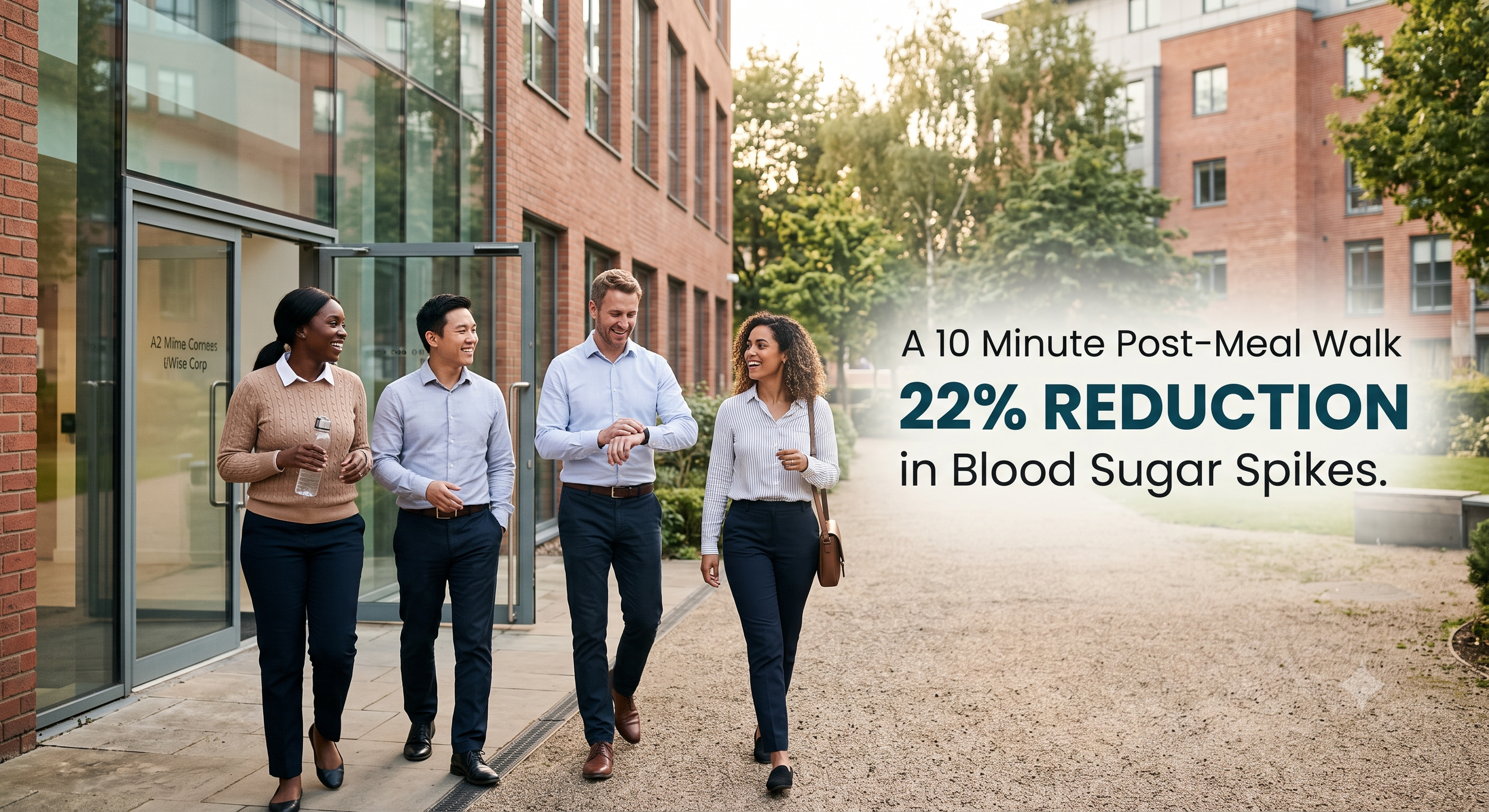
Superior to a Single Long Workout: A landmark study published in Diabetologia (Reynolds et al., 2016) showed that taking a 10-minute walk immediately following main meals lowered post-meal glucose levels by an average of 12% compared to taking a single 30-minute walk at another point in the day. After carbohydrate-heavy meals (like typical office lunches), the post-meal walk dropped blood glucose spikes by a staggering 22%.
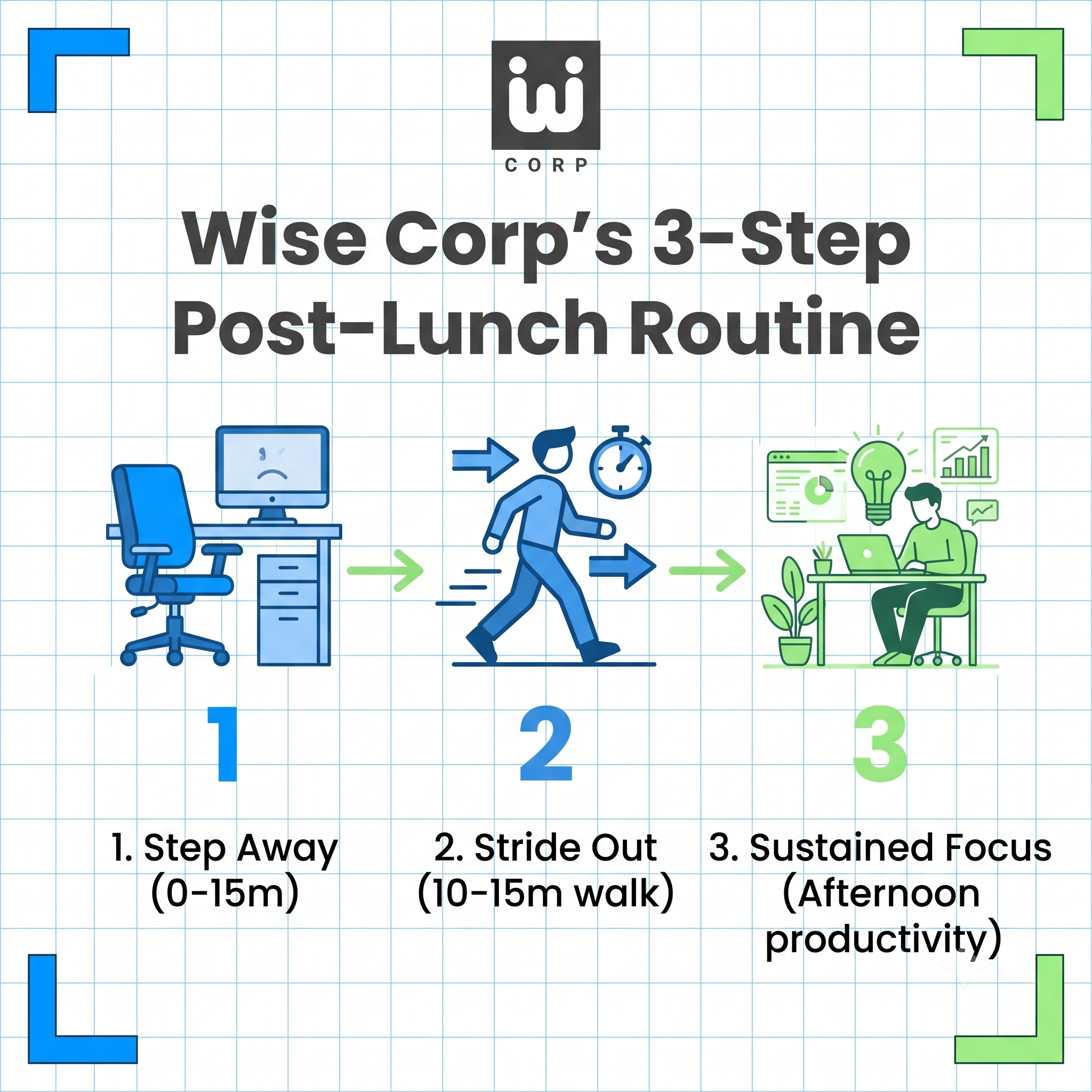
Movement Standards: Best Practice Execution
Treat your post-meal walk like a prescribed skill in your daily routine.
1. Timing (The Critical Window)
Standard: Step away from your desk within 0 to 15 minutes of swallowing your last bite.
Reasoning: Glucose levels peak between 30 and 60 minutes post-meal. Contracting your muscles during the initial ramp-up intercepts sugar before it forces a massive pancreatic insulin discharge.
2. Duration & Volume
Minimum Effective Dose: 2 to 5 minutes of continuous walking.
Optimal Prescription:10 to 15 minutes.
Daily Target: Aim for 1,500 to 2,000 steps during your lunch break.
3. Intensity & Pace
Cadence: Light to moderate brisk walking (Zone 1 effort). You should be able to hold a conversation without gasping for breath.
Posture: Head upright, shoulders set back, full heel-to-toe stride engagement. Drive through your glutes with each step.
Note: Do not run or perform high-intensity workouts immediately after lunch; extreme exertion shunts blood flow away from the digestive tract to working skeletal muscles, causing GI discomfort. Keep it light, steady, and purposeful.
Summary Checklist for the Work day
Finish eating. Clean your lunch spot and put your utensils away.
Lace up. Put on comfortable footwear or take your coat.
Walk for 10 minutes. Step outdoors into natural light if possible, or walk through office corridors/stairwells.
Return focused. Resume deep work with zero brain fog, stable energy, and optimised metabolic health.